Assumable Mortgages: How to Take Over a Seller's Low Rate
By Mortgage Wizard, NJ Licensed Real Estate Salesperson · Updated November 24, 2026
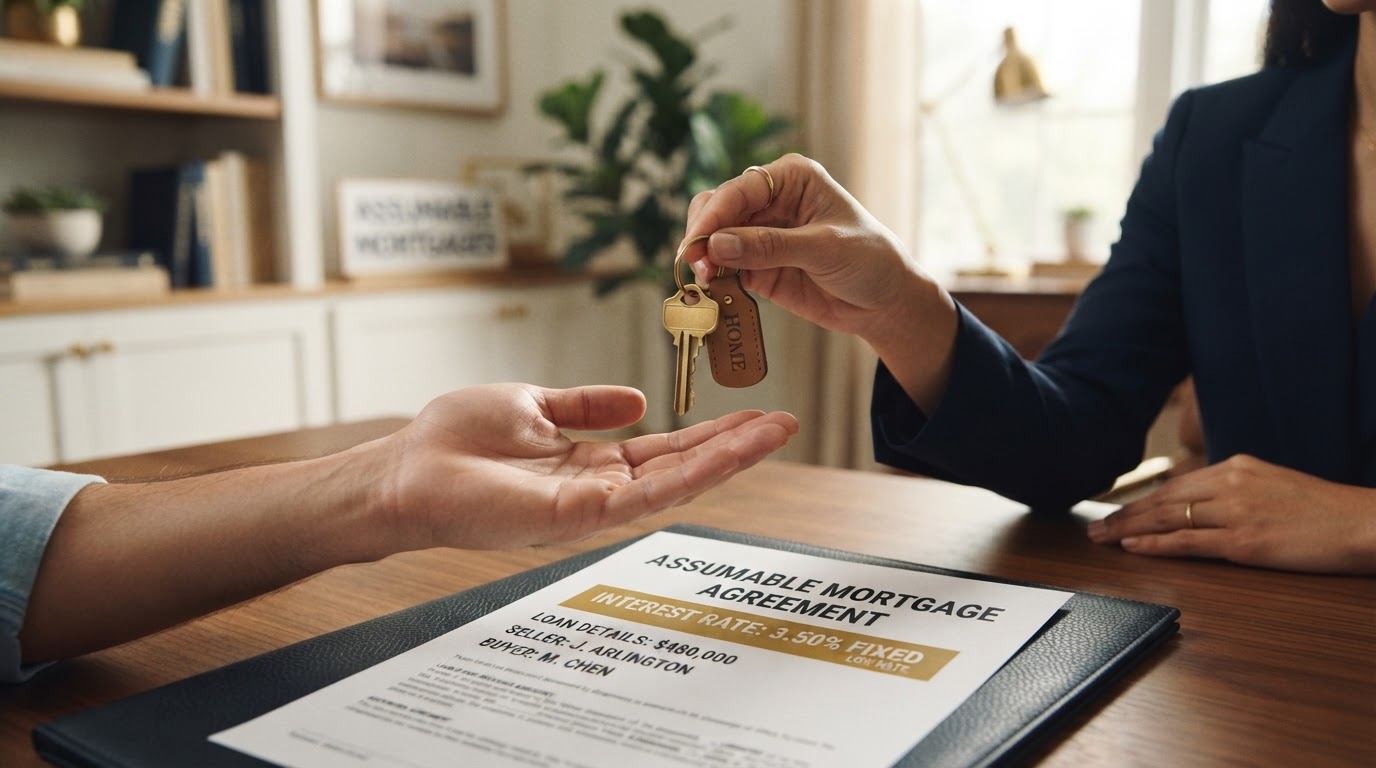
An assumable mortgage lets a buyer take over the seller's existing loan, including its interest rate and remaining balance, instead of getting a new mortgage. Most assumable loans are FHA, VA or USDA loans. Most conventional loans aren't assumable.
What an Assumable Mortgage Is
When you buy a home the usual way, you apply for a brand-new mortgage at today's interest rate. An assumable mortgage works differently. Instead of getting a new loan, you step into the seller's existing one. You take over the remaining balance, the original interest rate, and the remaining term.
In a market where today's rates are high, that can be a big deal. If a seller locked in a low rate a few years ago, assuming their loan lets you inherit that lower rate instead of borrowing at today's higher cost. Nearly half of current mortgages carry rates of 4% or lower, so there are a lot of low-rate loans still out there.
Which Loans Are Assumable
Not every mortgage can be assumed. Most assumable loans are government-backed: FHA, VA, and USDA loans. These loans were designed with assumption rights built in, subject to the buyer qualifying with the servicer.
Most conventional loans — the kind backed by Fannie Mae or Freddie Mac — are not assumable. Their contracts typically include a due-on-sale clause, which means the loan must be paid off when the home is sold. FHA and VA loans make up about 1 in 10 mortgages, so assumable loans are a smaller slice of the market, but they're out there.
Want to See Your Real Numbers?
Compare your options side by side and see real numbers for your budget in about 60 seconds.
Compare Your Options →The Cash Gap: How Much You'll Need
The catch with an assumable mortgage is the cash gap. You're only taking over the seller's remaining loan balance, not the full purchase price. The difference between the two has to come from somewhere — either cash or a second loan.
Here's the example to keep in mind: on a $500,000 home with a $200,000 remaining balance, the buyer needs about $300,000 plus closing costs, either in cash or through a second loan. That's a lot of money to bring to the table, and it's the main reason assumptions don't happen more often. The lower the seller's remaining balance compared to the home's value, the bigger the cash gap you have to fill.
To picture how the assumed payment compares to a new loan, plug the remaining balance and the original rate into a mortgage calculator and compare it to what today's rate would cost on the same balance.
How to Find a Home With an Assumable Loan
Assumable listings aren't always easy to spot. Some sellers mention it in the public listing, but often it only appears in the agent remarks that buyers don't see directly. Tell your agent up front that you're interested in assumable mortgages, and ask them to search listings that mention an assumable loan.
The best place to look is homes bought with FHA or VA loans in 2020–2022, when rates were at historic lows. Those are the most likely to carry rates well below today's. RetroRate estimates about 120,000 for-sale listings have assumable loans, so while they're not everywhere, there are more than most buyers realize.
Assuming a VA Loan
VA loans are assumable, and they come with a wrinkle that matters for both sides. If a non-veteran assumes a VA loan, the seller's VA entitlement stays tied to that loan until it's paid off, unless an eligible veteran buyer substitutes their own entitlement. That means the seller can't use their VA benefit to buy another home until the assumed loan is resolved.
For the buyer, a VA assumption can still be attractive — you inherit a low rate with no new VA funding fee. For a full walkthrough of how these loans work, see our VA home loan guide. And if you're weighing other ways to finance a purchase outside a traditional bank loan, our seller financing calculator covers a related option.
The Assumption Process, Step by Step
Assuming a loan isn't automatic. The buyer must qualify with the loan servicer, which means a credit check, income and employment verification, and a debt-to-income review — much like applying for a new mortgage, just on the existing loan's terms.
The basic steps look like this:
- Confirm the seller's loan is assumable and find out the remaining balance and rate.
- Apply with the loan servicer and submit your income, asset, and credit documentation.
- Get approved for the assumption and lock in the transfer terms.
- Arrange the cash or second loan to cover the gap between the purchase price and the remaining balance.
- Close on the transfer, with the seller's loan officially passed to you.
The process can take longer than a standard purchase because the servicer has to review and approve the assumption. Plan for extra time, and don't assume a quick closing is guaranteed.
Pros and Cons
The biggest pro is obvious: you can inherit an interest rate far below today's, which can lower your monthly payment and save you money over the life of the loan. For sellers, offering an assumable loan can make a home more attractive to buyers in a high-rate market.
The biggest con is the cash gap. Coming up with the difference between the home's price and the loan balance is a real hurdle, and second loans aren't always easy to get. The process also takes longer, and for VA loans, the seller's entitlement can stay tied up. Like any financing decision, run the full picture — the assumed payment, the cash you need up front, and the closing costs — before you commit.
Ready to Compare Your Options?
See real numbers for your situation in about 60 seconds — no credit pull, no signup.
Compare Your Options →Frequently Asked Questions
What is an assumable mortgage?
An assumable mortgage lets a buyer take over the seller's existing loan, including its interest rate and remaining balance, instead of getting a new mortgage. Most assumable loans are FHA, VA or USDA loans. Most conventional loans aren't assumable.
How much cash do I need to assume a mortgage?
You pay the difference between the purchase price and the seller's remaining loan balance, either in cash or with a second loan. For example, on a $500,000 home with a $200,000 balance, you'd need about $300,000 plus closing costs. You also have to qualify with the loan servicer.
How do I find a home with an assumable mortgage?
Ask your agent to search listings that mention an assumable loan, which sometimes appears only in agent remarks. Homes bought with FHA or VA loans in 2020–2022 are the most likely to carry rates well below today's.
Can a non-veteran assume a VA loan?
Yes. A VA loan can be assumed by a non-veteran who qualifies with the servicer. But the seller's VA entitlement stays tied to that loan until it's paid off, unless the buyer is an eligible veteran who substitutes their own entitlement.
MyMortgageWizard is an educational resource and independent marketing portal. We are not a lender or broker and do not issue loan approvals or lock rates. Rates and program rules change; confirm details with a licensed lender.